AKE technologies logo

Assembly & Testing Technology

Power Distribution Systems

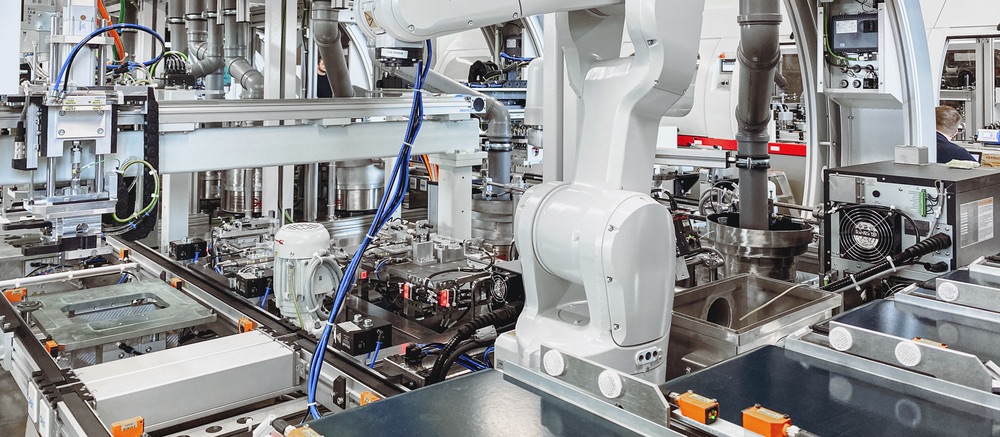
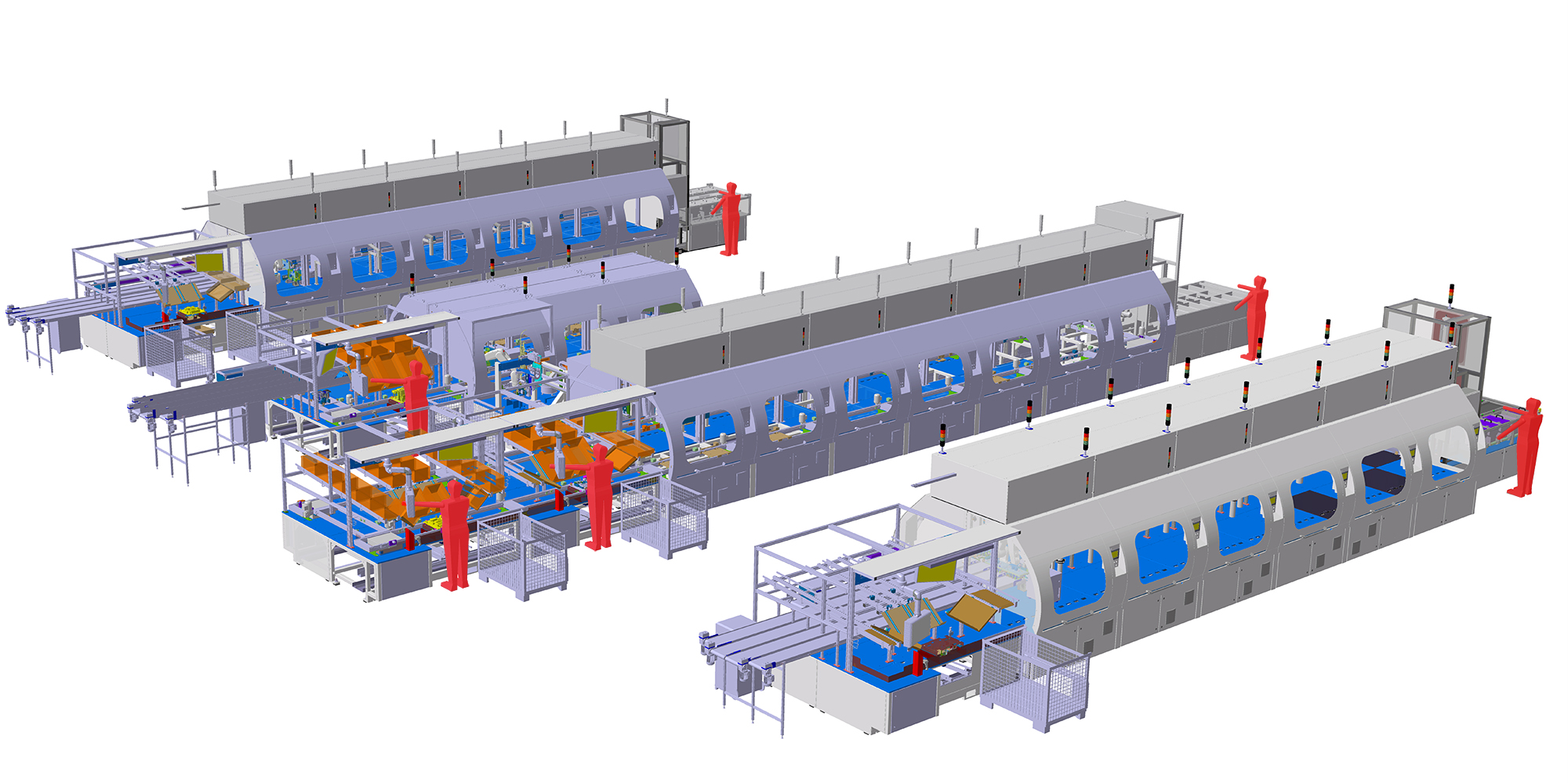
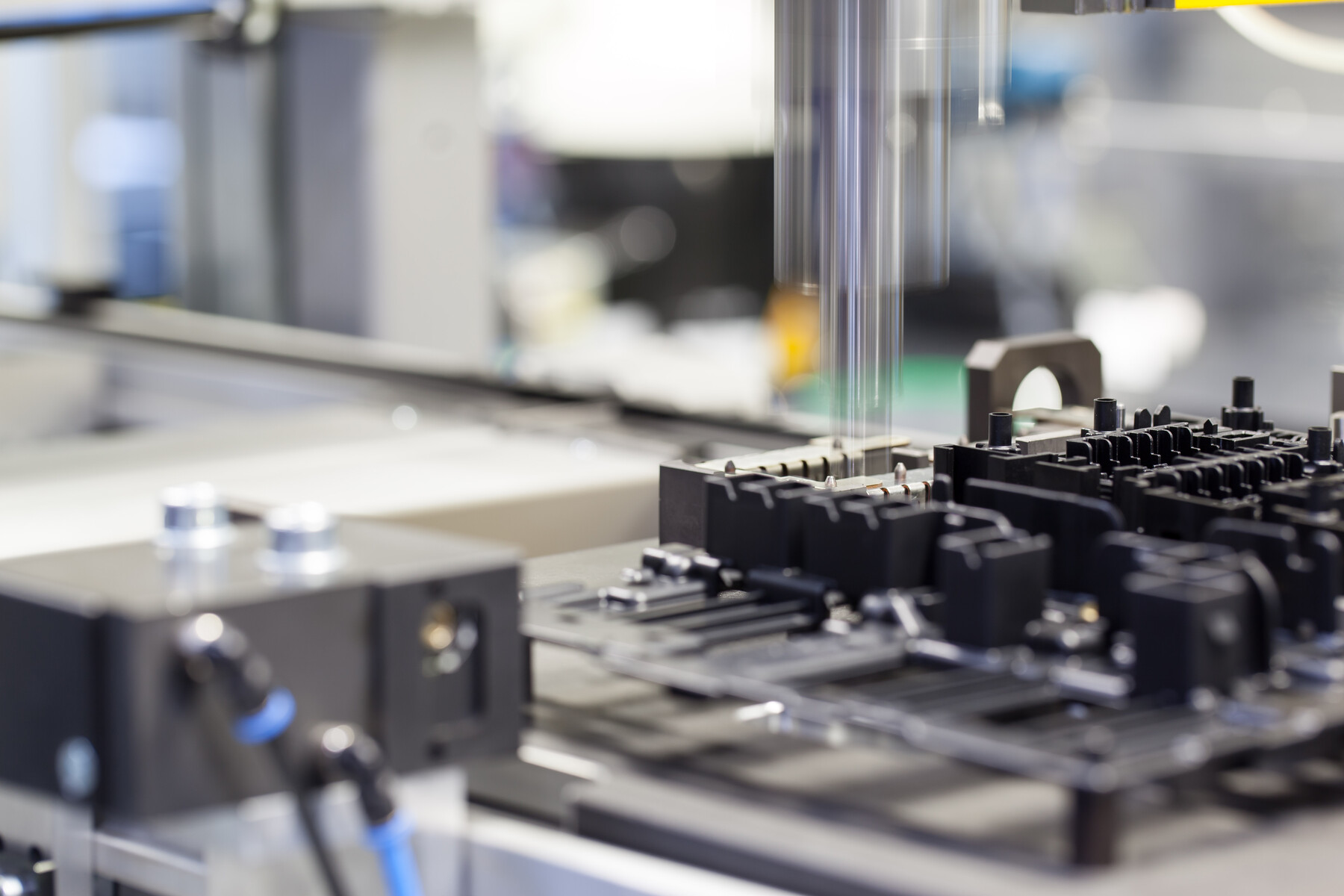
Assembly system for manual-automatic assembly and testing of power distribution systems

modular AKE standard cell is frequently used in the design of assembly systems for power distribution systems .
Workpiece carrier systems, robotics, and monitoring systems, individually designed for our customers, offer flexibility and customization within the standard concept .
General
  • Option to combine manual and automatic processing stations
  • Design as a fully automated production line
  • Connection to upstream and downstream systems such as injection molding machines
  • Easy integration of additional processing stations in case of changed specifications, quantities and component variants
  • Linking the stations with conventional transport systems such as double belt conveyors, but also with innovative shuttle and linear drive systems
  • Complete data acquisition and process monitoring
  • Option to integrate a central material depot to reduce logistics routes

Processes
Automated process examples
  • Feeding of various components (housings, fuses, washers, screws, nuts, ...)
  • Camera inspections as incoming inspection of components (e.g. overspray inspection of surfaces)
  • Screwing of attachments
  • Clinching of live components
  • Joining components with end positions, maximum force or force-displacement monitoring
  • Hot riveting and ultrasonic riveting processes
  • Installation of pressure equalization elements
  • Laser transparent welding of plastic parts
  • Leakage tests
  • Mechanical EOL tests (e.g., actuation of mechanical assemblies)
  • Electrical EOL tests (e.g. continuity and function)
  • Optical 2D and 3D EOL tests (e.g., detents and measurements)
  • Component marking with labels, inkjet printers or laser systems
  • Automatic packaging of the produced components into customer packaging


Manual process examples
  • Assembly of individual parts
  • Packaging of the manufactured components
  • Assembly of connectors and cable assemblies

Documentation scope

  • Batch numbers of the individual parts
  • Traceability of individual safety-relevant components such as electrical separators
  • Joining forces and paths
  • Torque and angle values ​​of the screwing processes
  • Camera evaluations
  • 2D and 3D measurement results
  • Test results from the EOL tests
  • General information about the component, such as part number, production time, product variants, etc.