
E-mobility
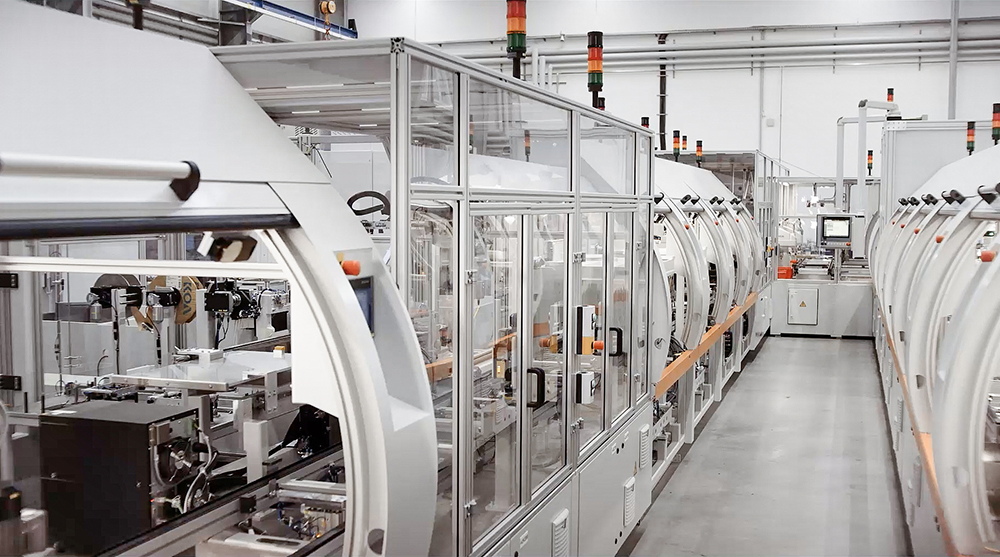
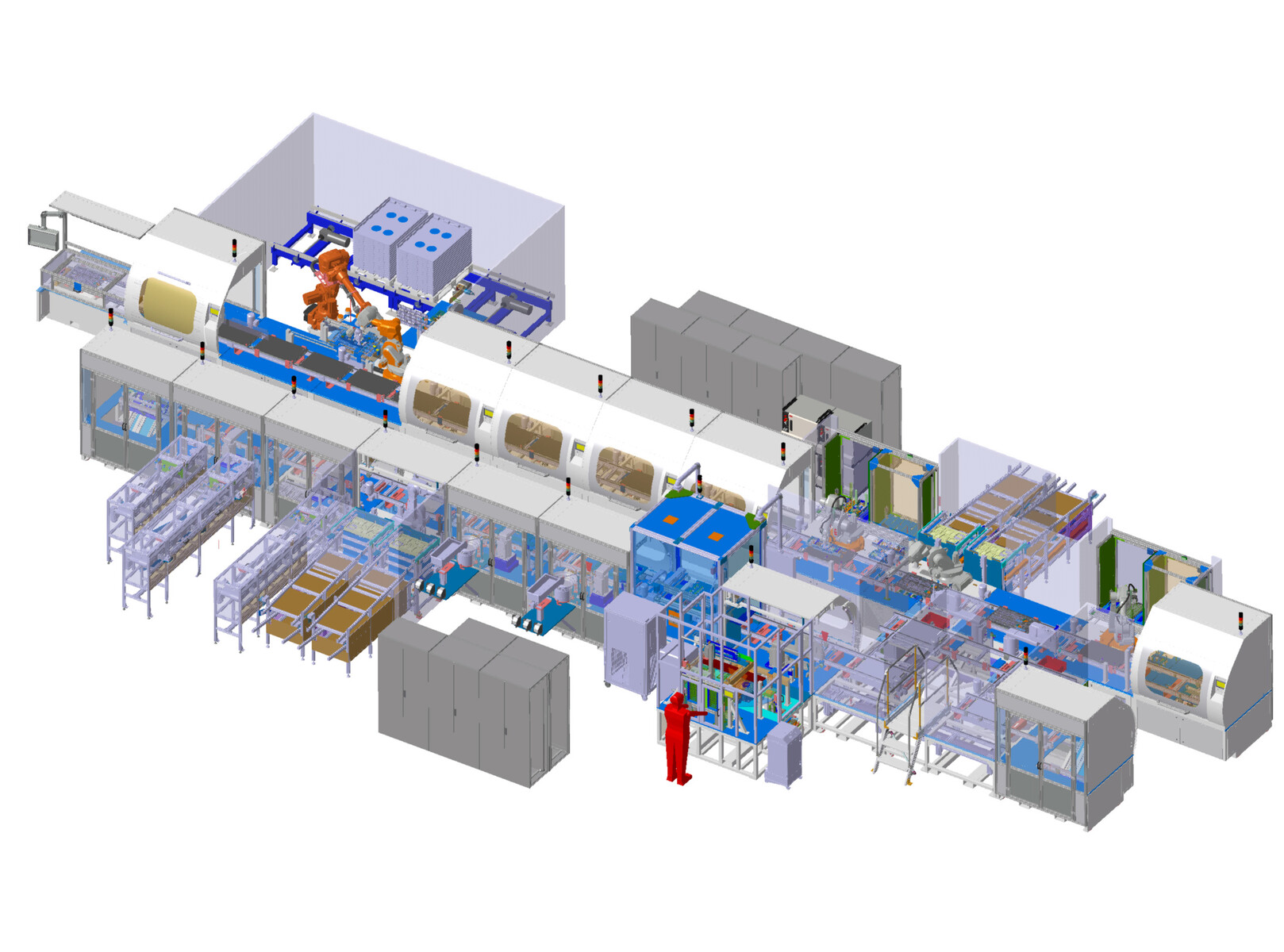
AKE is a manufacturer of fully automated assembly lines for the production of cell contacting systems in e-mobility.
Cell contacting systems (CCS ) are responsible for connecting the individual battery cells in electric vehicles . They differ in numerous characteristics. Depending on the vehicle design and the OEM's requirements, there are different cell arrangements according to the available space in the vehicle; parallel or series connection is possible. The cells are assembled into single or double modules and are suitable for use in hybrid vehicles (HEV/PHEV) as well as in purely electric vehicles (BEV) .
AKE's production facilities offer an intelligent production concept for handling a wide variety of component variants without changeovers. Scalable system designs allow for different cycle times. Complete data acquisition and process monitoring take place during production, 100% traceability .

Your partner for customized technology solutions.
Industries
Solutions
Contact
 +49 851 95584-0
 info@ake-technologies.de
 Adolf-Hoellinger-Straße 3, D-94034 Passau-Patriching